

Thierry Wittkowsky Hernandez
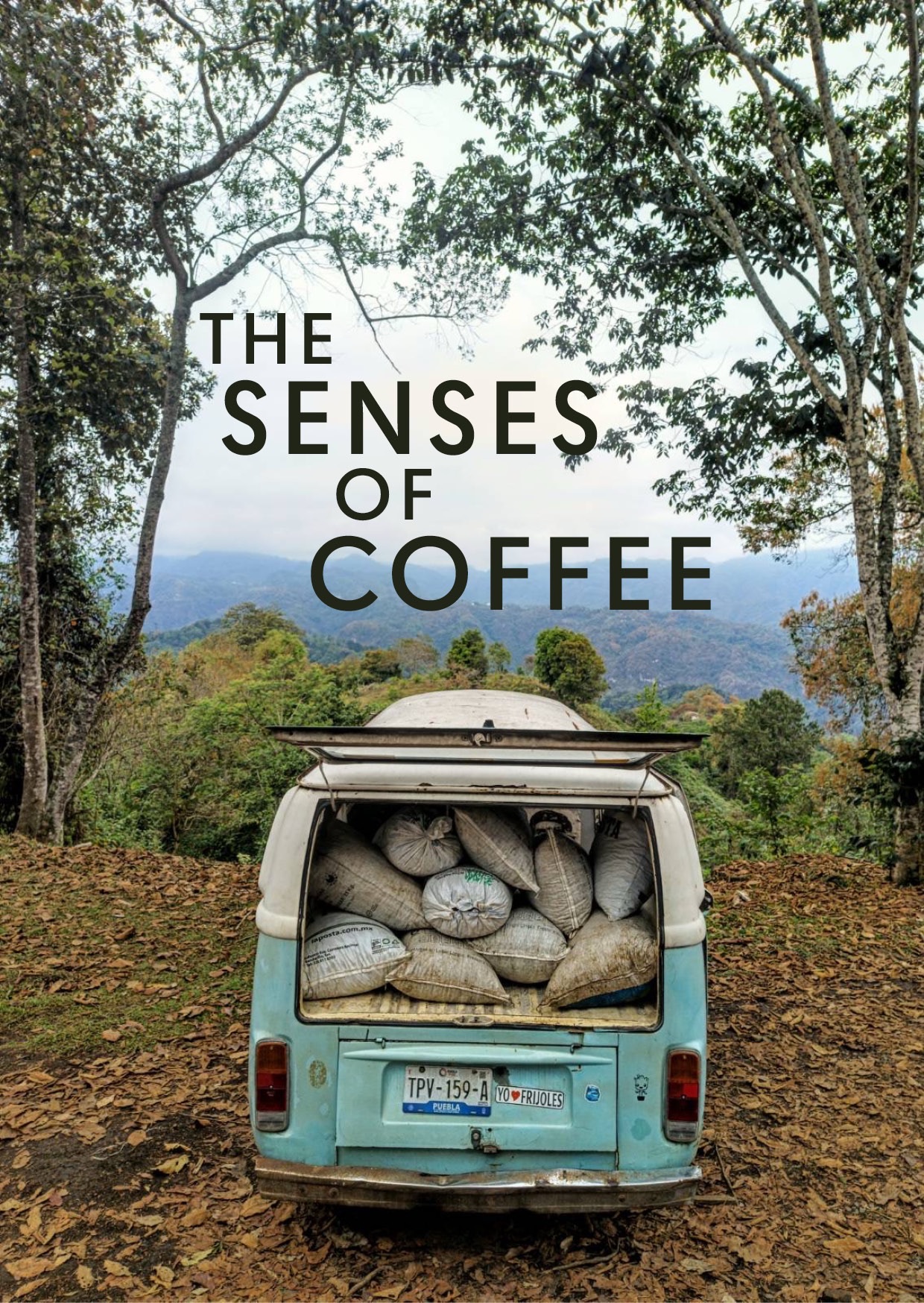
Where coffee really begins
Thierry Wittkowsky Hernandez
Every cup has a story.
This is one of them.
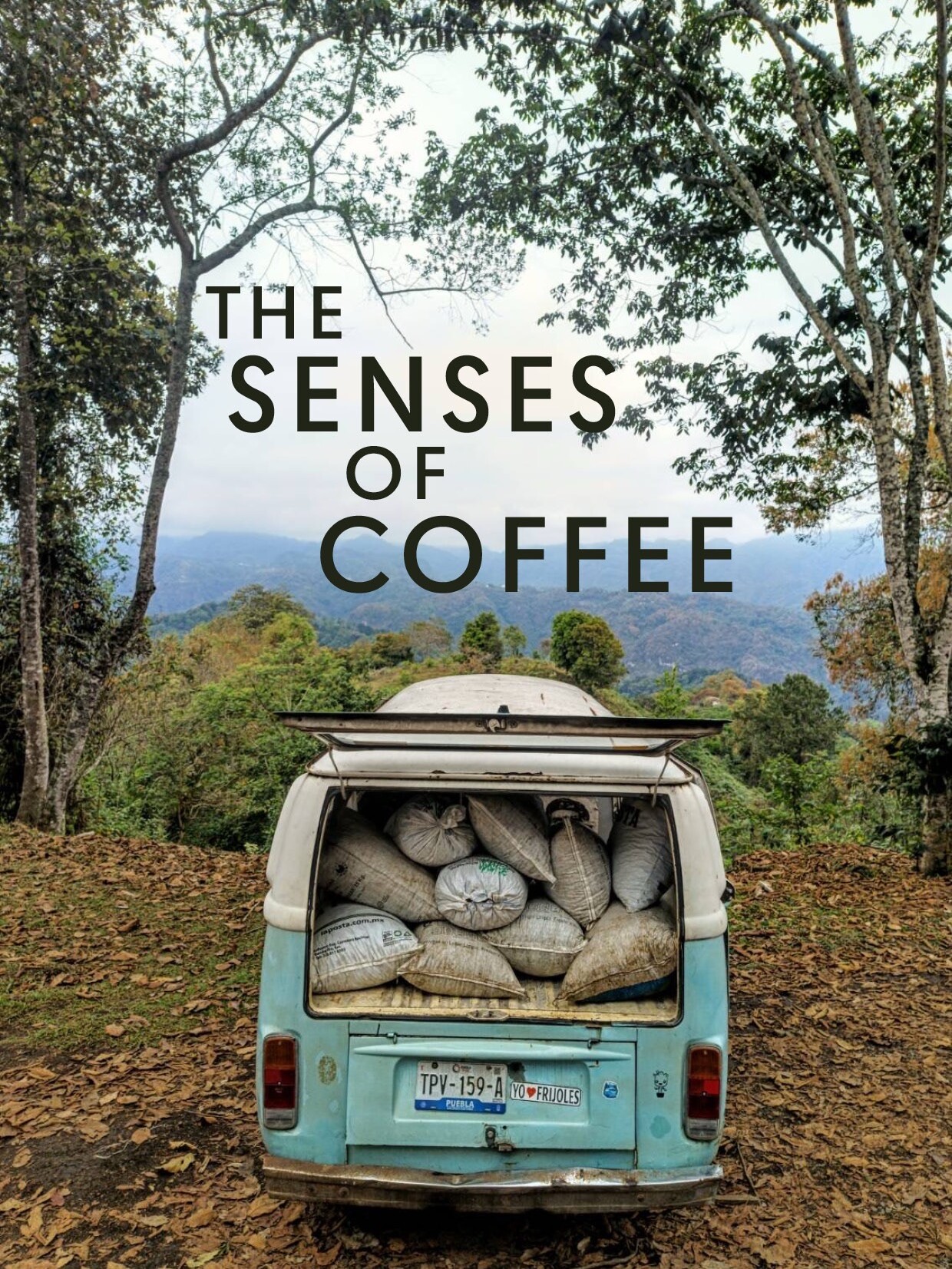
It's six in the morning in the mountains of Veracruz, Mexico. The clouds are still hanging low. The birds are already singing. The coffee trees are still wet from the night.
Somewhere on these trees, thousands of coffee cherries are slowly waking up.
A few months later, some of these cherries will cross the ocean and might end up in a cup here in Berlin.
When people open a bag of coffee, they think this is where the story begins. For me, by that point almost the whole story has already happened.
We start the story too late
Here in Berlin, I often hear people talking about coffee.
Which grinder is better? Which roast is the right one? How do you brew the perfect V60?
I love these conversations. But in my mind, coffee starts much earlier. Coffee starts with a blossom. Then comes a small green fruit. Slowly it turns red.
Then someone picks it by hand. But before that happens, the tree has already needed years of care.
Coffee isn't just a drink. It's a living plant.

Growing coffee means thinking about the future
Many people have no idea how much patience coffee needs. A coffee tree takes about four to five years before it bears its first real harvest. The trees I plant today may still be bearing coffee in fifteen or even twenty years.
Every season I ask myself the same questions.
Did I plant the right variety? Will there be enough rain? How will climate change affect this mountain?
Nobody knows the answer. Coffee has taught me patience. Nature sets the rhythm. We can't speed it up. There are many ways to produce coffee. Some people ask: “How can I produce more?”
For me, the question is different: “How can I make this coffee better?” That simple question changes everything I do on the farm.
The day I stopped seeing coffee as a bean
People call it a coffee bean. I don't anymore.
To me, it's a seed.
I remember spending time in the nursery every morning, looking at hundreds of tiny coffee seeds.
One day the first tiny root appears. Then, after a few weeks, the seed opens.
The first two small leaves appear. Little by little, the seed disappears.
A new plant is born. It's incredible to watch. So small. So fragile.
From that moment on, coffee was no longer just a product to me. It became something alive.
Four days a year
My favourite moment isn't the harvest.
It's the blossom.
Many years ago I was driving through the mountains in my old VW bus. The windows were open.
Suddenly I smelled something incredible. Jasmine. Blossoms. Honey.
I slowed down because I couldn't work out where the scent was coming from. Then I realised I was driving through a coffee farm in full bloom. Every tree was covered in small white flowers.
The amazing thing is … it only lasts four or five days. If you miss it … you have to wait another year. Some moments are too beautiful to rush.

Coffee isn't a recipe
Many people ask me: “How long do you ferment your coffee?”
It always makes me smile. Because there is no recipe.
Every harvest is different. Every day is different. At Rancho Libertad we dry our coffee on raised African drying beds.
Everything depends on the weather. On the sun. On the rain. On the fog. On the cold nights. Sometimes a single small decision can completely change the finished coffee. Should we cover it now?
Or wait another hour? Nobody sees these decisions. But later … you taste them in the cup. That's why every harvest is unique. We don't try to fight nature. We try to understand it.
More than coffee
If I could invite everyone to our farm for an hour, it probably wouldn't be the coffee that surprised them first.
I think it would be nature. The mountains. The birds. The insects. The trees. The sounds of nature. Maybe a horse. Maybe someone laughing during the harvest.
Nature is never really quiet. A coffee farm is much more than coffee. It's an ecosystem. Nature was here before us. And it will still be here after us. Our job is simply to take good care of it.
Between two worlds
Today my life is split between two places.
Part of the year I live at Rancho Libertad, our small coffee farm in the mountains of Veracruz.
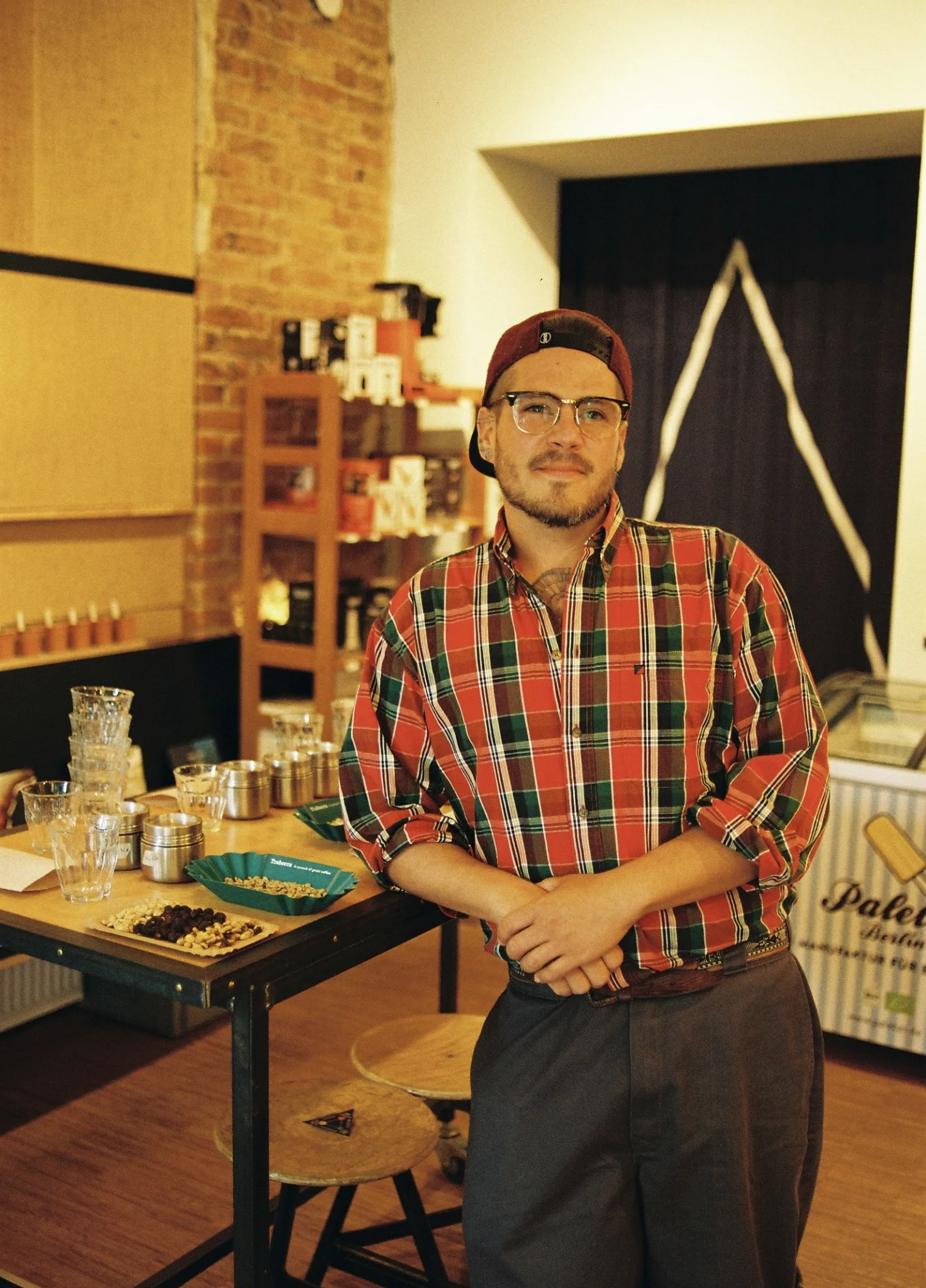
The other part of the year I work here in Berlin at PASSENGER Coffee.
Sometimes people ask me why. For me it's very simple. I want to connect these two worlds. In Mexico I wake up and think: “Will it rain today?”
In Berlin people ask me: “What are the tasting notes of this coffee?” Both questions matter. They're simply different parts of the same journey. Coffee travels very well. Its story doesn't always.

Why I started The Senses of Coffee
When I started telling these stories in Berlin, I noticed something. People didn't just want to taste coffee. They wanted to understand it. They were surprised that coffee is a fruit.
That a tree takes years before it bears cherries. That the blossom lasts less than a week. That the weather changes everything. That behind every cup there are people making hundreds of small decisions every day. That's why I started The Senses of Coffee. Not to teach people how to make better coffee. But to show them where coffee really begins.
Together we follow the life of a single coffee cherry. From seed … to blossom … to harvest … to processing … to roasting … and finally … into the cup.
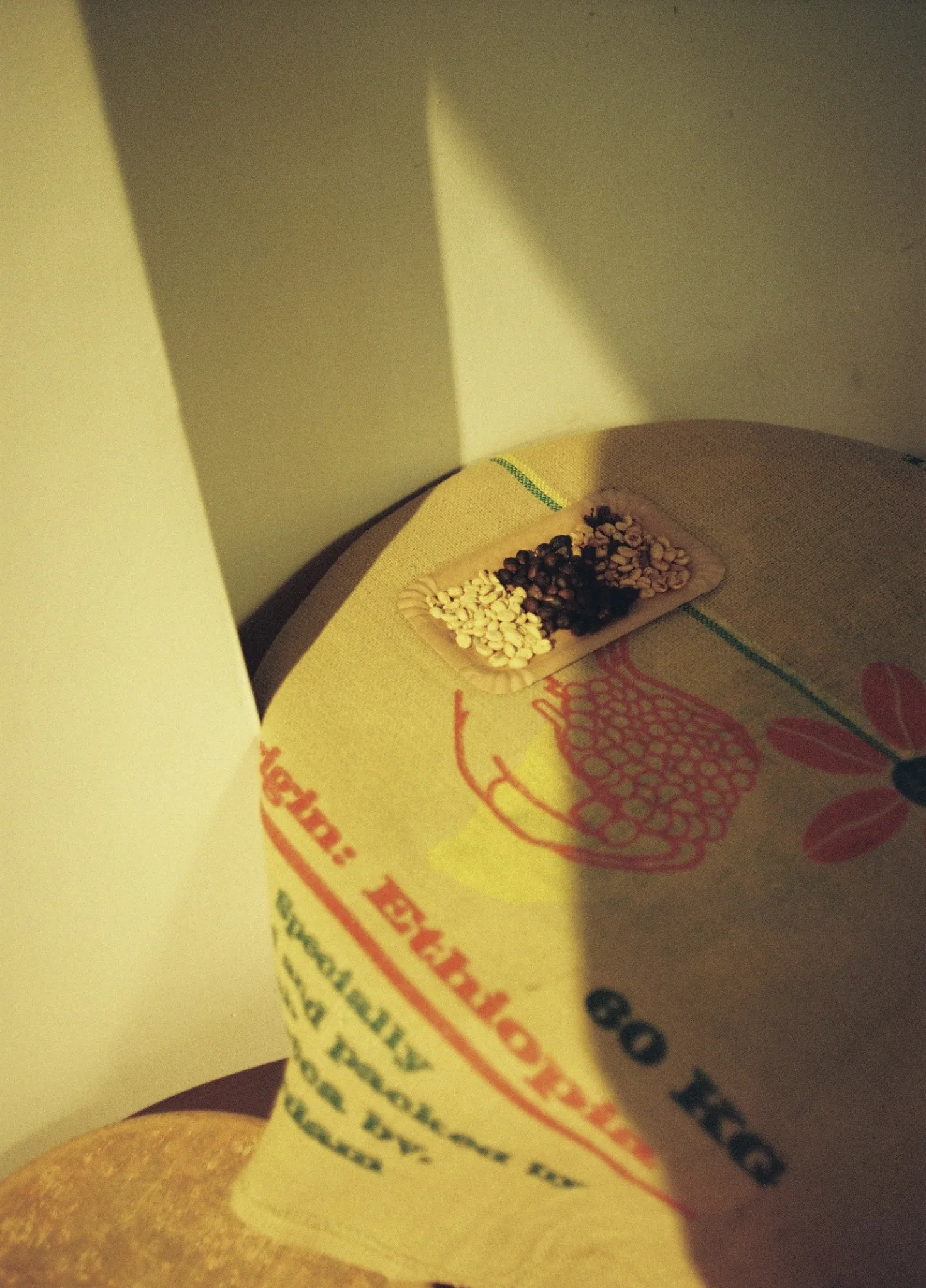
We listen to the sounds of the farm. We smell coffee at different stages. We feel parchment coffee and green coffee. We brew together. We taste together. And hopefully … the next time you make a cup of coffee, you'll remember … that its story began long before it reached your hands.
Maybe you'll think of the tiny seed. Maybe of the blossoms that only last a few days. Maybe of the farmer watching the sky and hoping for rain. Or maybe you'll simply remember that coffee is much more than a drink.
It's a fruit. A tree. A landscape. Many hands. Many years. And a journey.
Experience it yourself at The Senses of Coffee at Reuterstraße. Book your spot and come along on the journey.
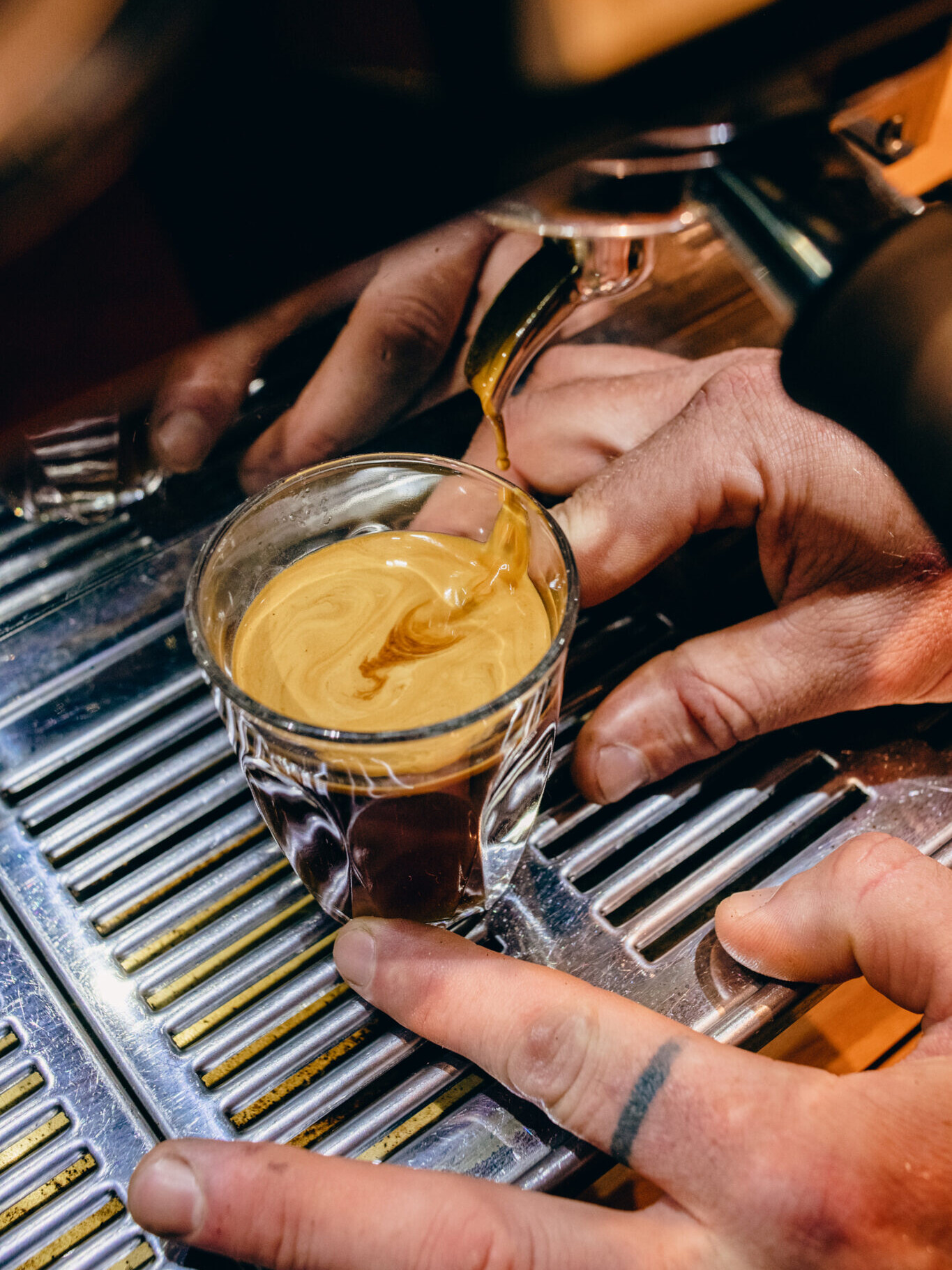
Concentrated sunshine
Caffeine is a psychoactive substance which, in the right dosage, can have a stimulating effect on the consumer's perceptual apparatus.<>can affect the consumer's purchasing behavior.

PASSENGER coffee subscription
Unlock a universe of coffee in your cup with passenger coffee's subscription!

Queer Aid Uganda x passenger coffee
We are happy to finally were able to conclude our donation into the emergency fund for the LGBTIQ+ community in Uganda. Thank you for drinking our Uganda Filter coffee and help to collect 742€.
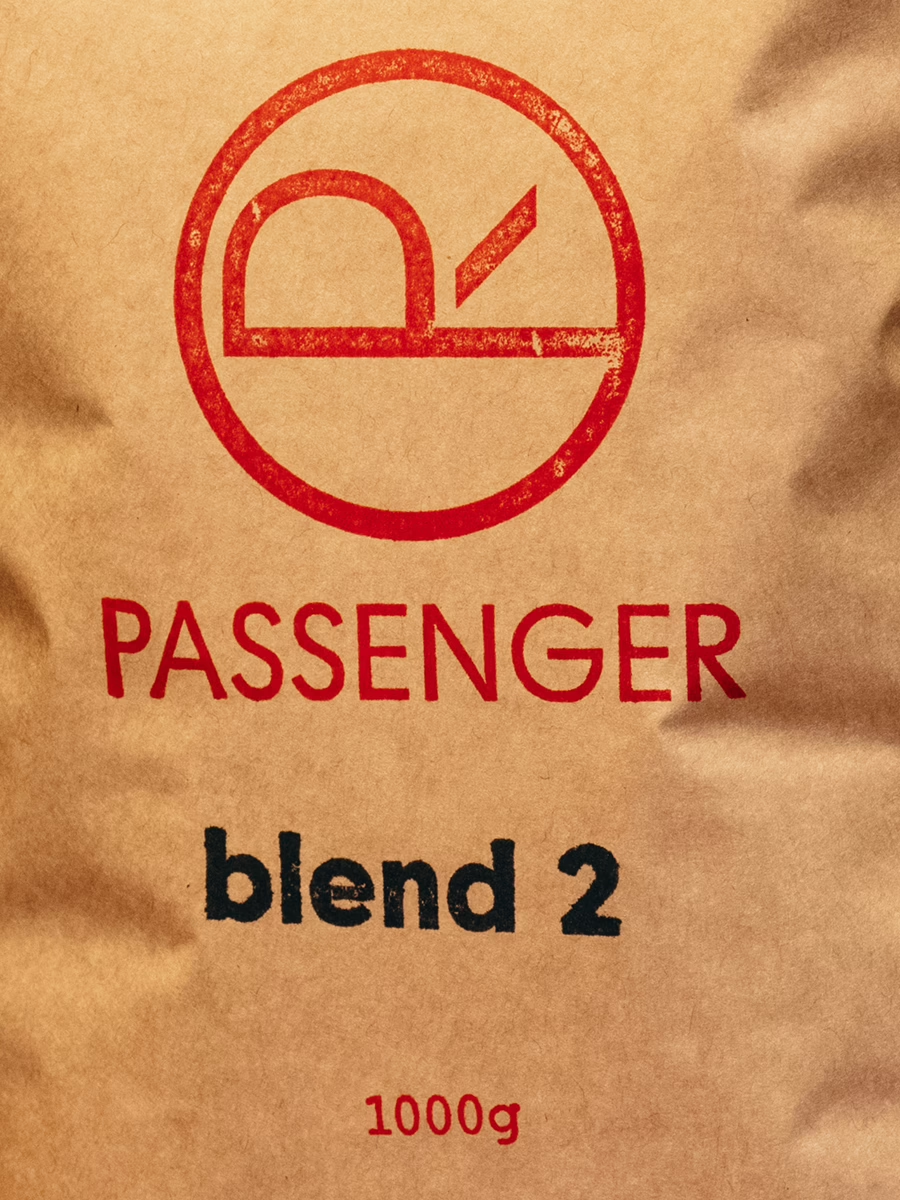
What is PASSENGER blend2?
blend2 is by no means a second choice, in fact for many passengers it is the ultimate. Blend2 is simply the 2nd espresso blend we have created. A tribute to our roots...