

El Niño and the Next Harvest: Ocafi on the Situation in Brazil
Coffee production in Brazil relies heavily on consistent rainfall. There are two crucial periods. From September to December, steady rain is needed to flush the trees evenly and support flowering and pollination. Then, from December to April, high moisture levels aid the development and maturation of the cherries, before precipitation tapers off into the drier autumn months and harvesting kicks off in May.
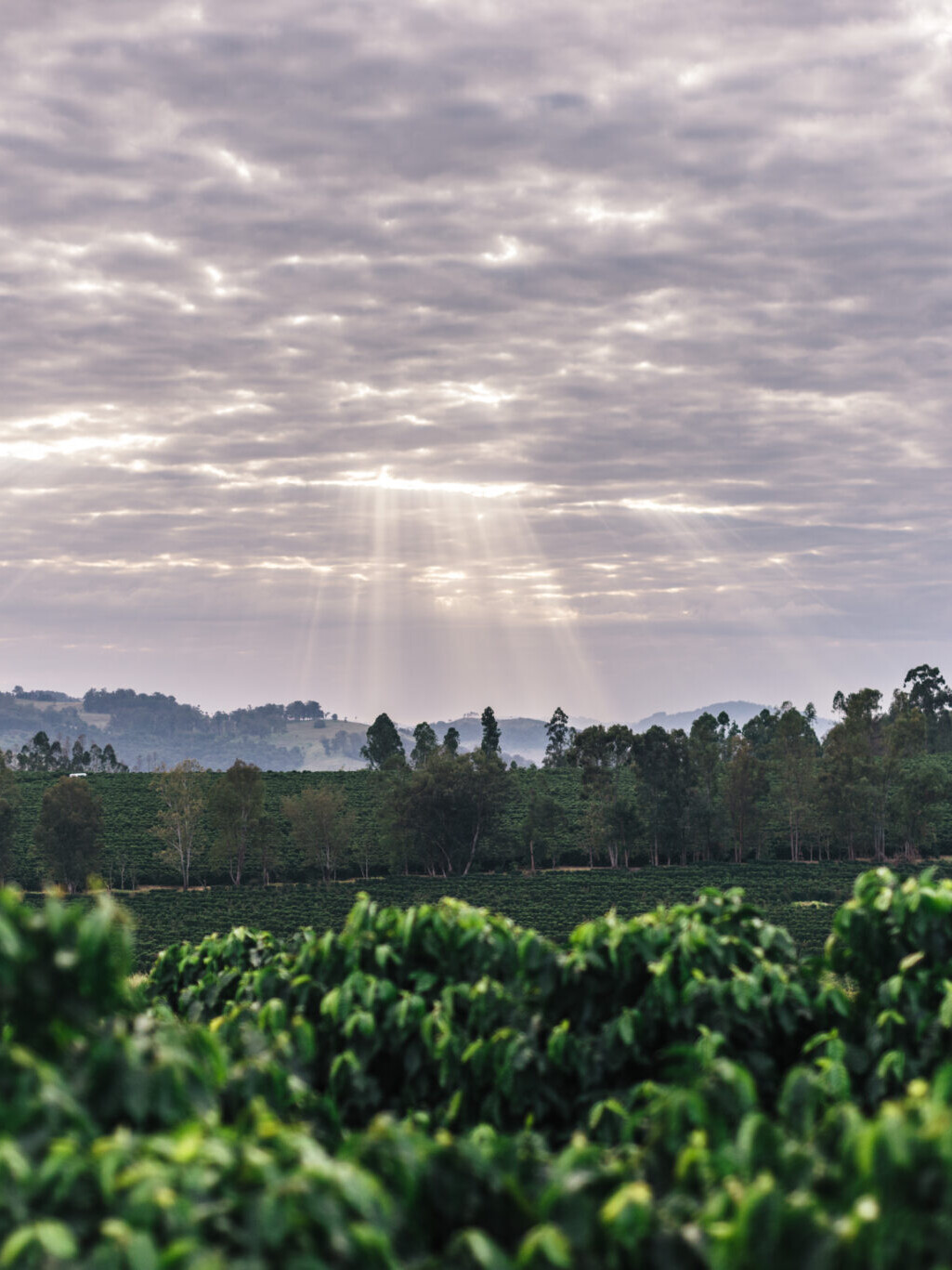
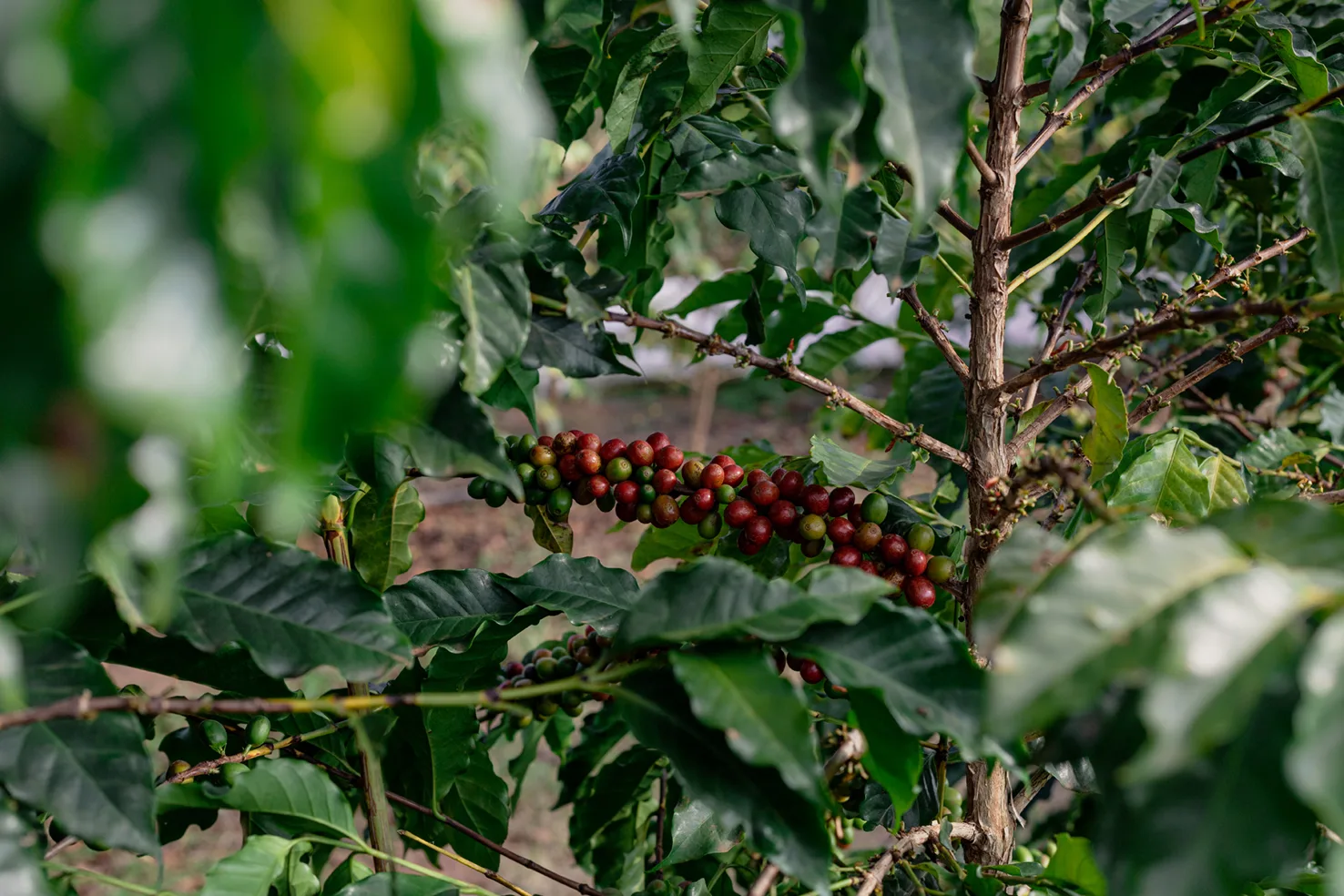
This year, heavy rain in the first half of September triggered early flowering across Sul de Minas (SDM) and northeastern São Paulo (SP), with some successful pollination reported from northern Paraná through SDM. Ideally, the rain will now lead to even flushing across the region and trigger further flowering and pollination.
“Getting trees to fully flush evenly at the beginning of the rainy season is always the first challenge. Then, once the trees have flowered, they must have timely follow up precipitation to support pollination and to prevent blossom abortion. The loss of flowers and failure to successfully pollinate occurs if there is a prolonged period of dry and warm to hot weather with poor soil moisture that follows flowering.” (World Weather Inc.)
El Niño conditions raise the risk of erratic, unevenly distributed rain after flowering, which can lead to aborted flowers. So far, this has mainly been observed in the northern coffee-growing regions. Notably, Ocafi’s farms are located primarily in the south and appear to be less affected.
So what does this mean for prices? The market always trades on expectations for the next harvest, and analysts already estimate that El Niño could cut next year’s output by 1 million bags or more. Whether that fear materializes, only time will tell. For context: we have come from around $4/lb to roughly $3/lb today. In May and June, prices even dipped to around $2.40, but that move reversed quickly. Significant rainfall during the June and July harvest left more coffee on the ground, slowed both picking and drying, and raised concerns about lower quality.
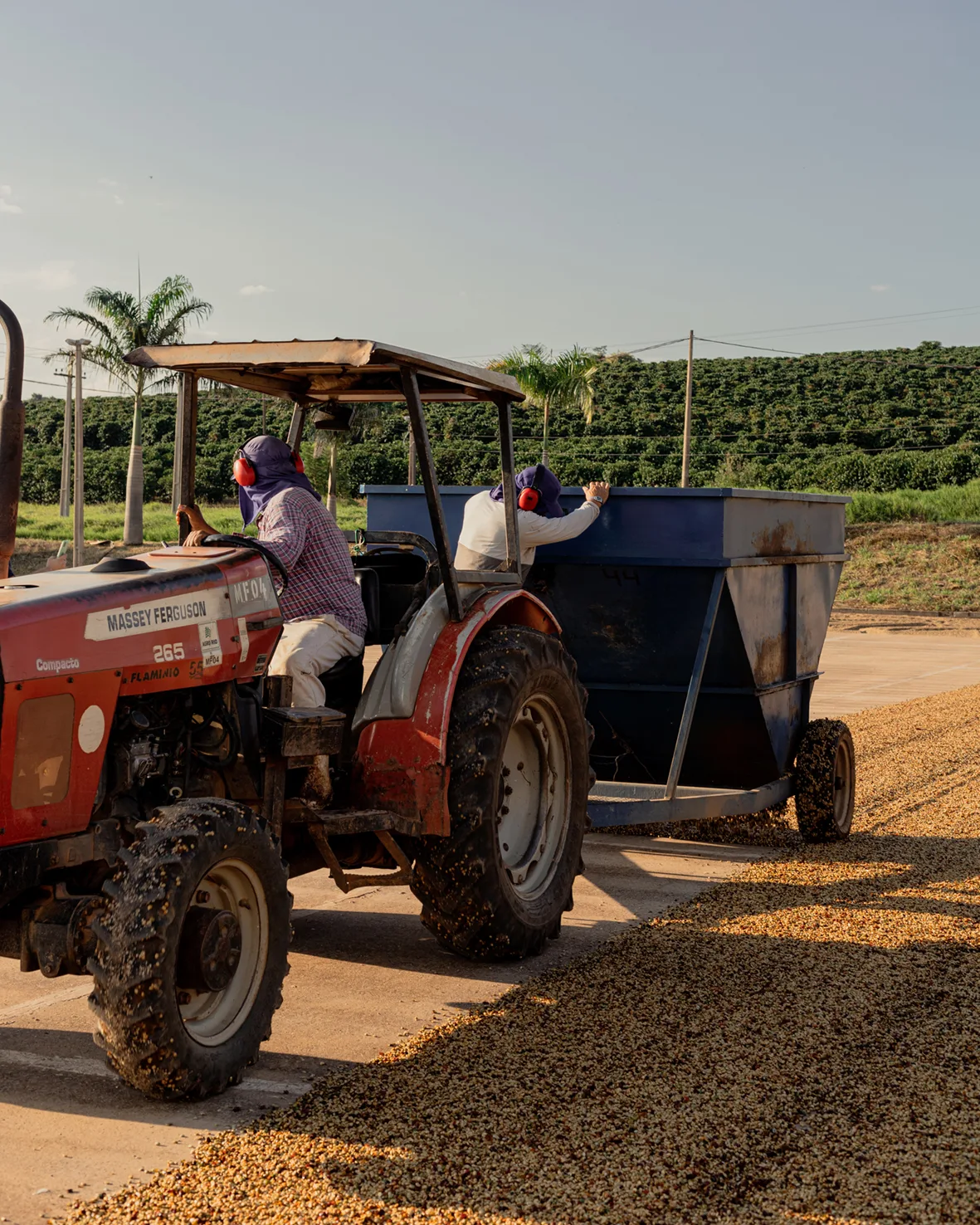
This shows how sensitive the market has become to even minor shifts in the weather. Global supply chains depend on the fresh crop arriving on time. A delay of just a few weeks – whether from a slower harvest or a shortage of containers due to the ongoing conflict involving Iran – means coffee reaches the major consuming countries later, which drives up prices in the short term. At the same time, coffee-growing areas worldwide have expanded over the past two years, stimulated by high prices. Most analysts therefore expect the market to settle in the mid-$2 range over the medium term. Whether that plays out depends largely on the weather, and El Niño remains one of the biggest factors to watch.
Original text by Ocafi.
Concentrated sunshine
Caffeine is a psychoactive substance which, in the right dosage, can have a stimulating effect on the consumer's perceptual apparatus.<>can affect the consumer's purchasing behavior.

PASSENGER coffee subscription
Unlock a universe of coffee in your cup with passenger coffee's subscription!

Queer Aid Uganda x passenger coffee
We are happy to finally were able to conclude our donation into the emergency fund for the LGBTIQ+ community in Uganda. Thank you for drinking our Uganda Filter coffee and help to collect 742€.

What is PASSENGER blend2?
blend2 is by no means a second choice, in fact for many passengers it is the ultimate. Blend2 is simply the 2nd espresso blend we have created. A tribute to our roots...