

Beyond Certified Mezcal from Oaxaca
A guide to agave diversity, regional spirits, and why what is not on the label matters
The Shocking Number
Oaxaca produces 90.5% of all certified mezcal in Mexico. The other eight states with legal Denomination of Origin status — Guerrero, Durango, Puebla, Michoacán, San Luis Potosí, Zacatecas, Tamaulipas, Guanajuato — share the remaining 9.5%. And that is only the certified universe. Destilados de agave, raicilla, bacanora and the vast production happening without papers? Not in that count at all.
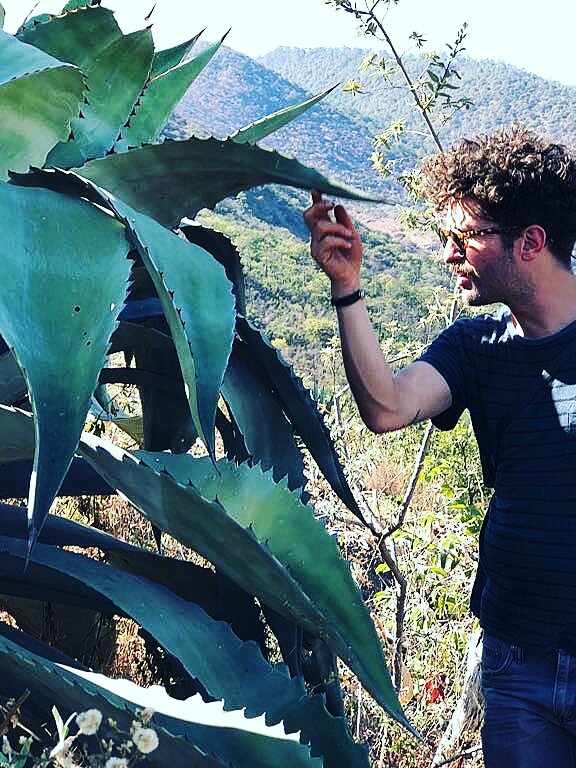
If you have been drinking mezcal thinking you are exploring Mexico’s most diverse spirit, you have likely been exploring one state, and often just one agave — espadín / Angustifolia — and one model of production. That is not a criticism of Oaxaca. It is where we have witnessed exactly how the shift happened.
How We Got Here
Mezcal received its Denomination of Origin in 1994. The framework was modeled on centralized certification logic — a Norma, a regulatory body, fees, audits, holograms. In theory: protection. In practice: a system built around the largest, most accessible producers, in the most organized state, growing the most cost-effective agave.
The problems showed up fast.
Certification costs — lab testing, georeferencing, compliance paperwork — hit small-scale family producers hardest. Methanol thresholds in NOM-070, written as a universal standard, often sit uncomfortably close to what traditional fermentation with wild agave naturally produces. Ancestral clay distillation styles did not fit neatly into a box written by committee. And the regulatory body, headquartered in Oaxaca and understaffed for years, struggled to serve producers in Durango, Zacatecas and Michoacán who were trying to join the international mezcal wave. Mexico is a big country — do not let the map fool you.
Today there are five certification bodies instead of one. The legacy of those institutional struggles is still shaking out across the industry.
The Brands That Said No
Some of the most respected names in mezcal are not certified. That sentence is worth sitting with.
La Locura, Real Minero, NETA — the latter never inside the system to begin with. Their reasons are not ignorance. Their argument is that the system, as designed, asks them to trade the thing that makes them valuable for a hologram.
NETA works directly with small family palenques in Miahuatlán. Each batch is guided by the maestro mezcalero — their method, their seasonal read, their environmental conditions. Non-standardization is the point. The variation from batch to batch is not a quality problem; it is the record of a specific moment, a specific plant, a specific person. Certification’s requirement for replicable documented processes does not have a good container for that.
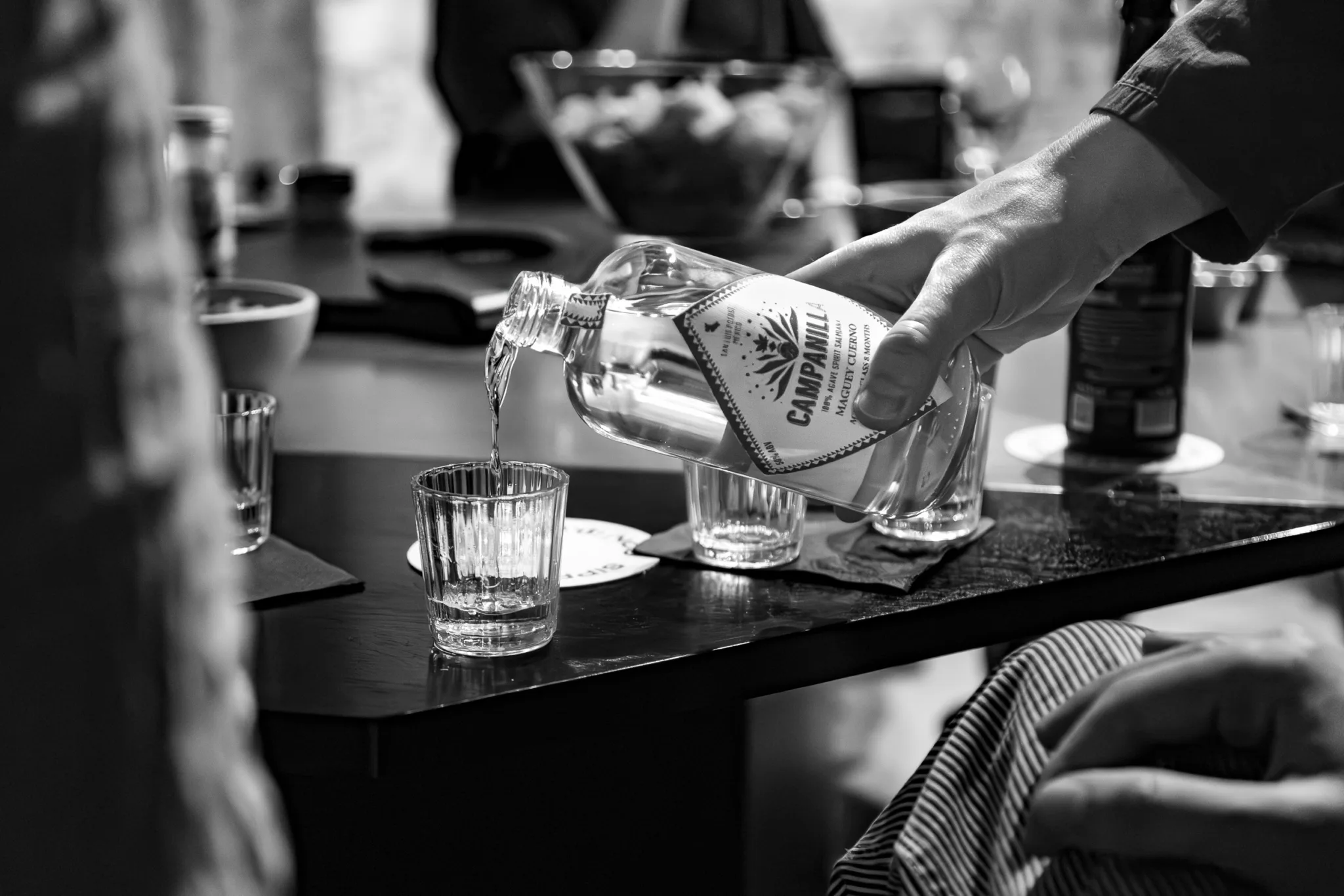
Campanilla — a producer we carry at Agavera — faces this structurally: remote location, brutally traditional methods, small volumes, process variability. The administrative burden of compliance is not proportional to what they produce. The choice to operate outside certification is not ideological posturing. It is arithmetic.
What is emerging in response is a different kind of legitimacy — one built on lineage, ecological connection, and the maestro mezcalero as the primary quality authority. Local by design. Not scalable by design.
The Coffee Parallel
There is a wave happening in specialty coffee that mezcal is watching, even if it does not always know it. Raw Material Coffee — whose Mexican beans you will find at PASSENGER here in Berlin — are doing something that would have seemed niche a decade ago: naming the farmer, publishing what was paid at the farm gate, mapping altitude and microclimate, describing the processing method. They are not selling a roast profile. They are selling a traceable relationship with a specific human being and a specific piece of land.
The third-wave coffee movement had to fight through a commodity mindset first. For decades, one C-market price for all beans, origin irrelevant. It took education and a generation of consumers willing to pay more to taste more. Now single-origin, named-producer, micro-lot coffee is a serious market on its own terms.
Mezcal is not behind coffee on this — in some ways it is ahead. The complexity argument is already there. The cultural narrative is already there. What is lagging is the translation. Most people who order mezcal in a bar still do not know what species of agave is in the glass, let alone the state, the maestro, the distillation vessel, or whether the plant was wild or cultivated. That is the gap. And it is also the opportunity.
Diversity Makes the Argument
Here is what the numbers do not show, but the glass does.
Durango’s cenizo grows on high-altitude mesas and produces an aromatic register completely unlike anything from the valleys of Oaxaca. Tamaulipas’ Funkiana and Univittata are unique to the state. Derrumbes — also in our portfolio — makes a strong stance by representing different maestros across the country, each expression a different journey. Hard logistics to pull off, and worth every bit of it.
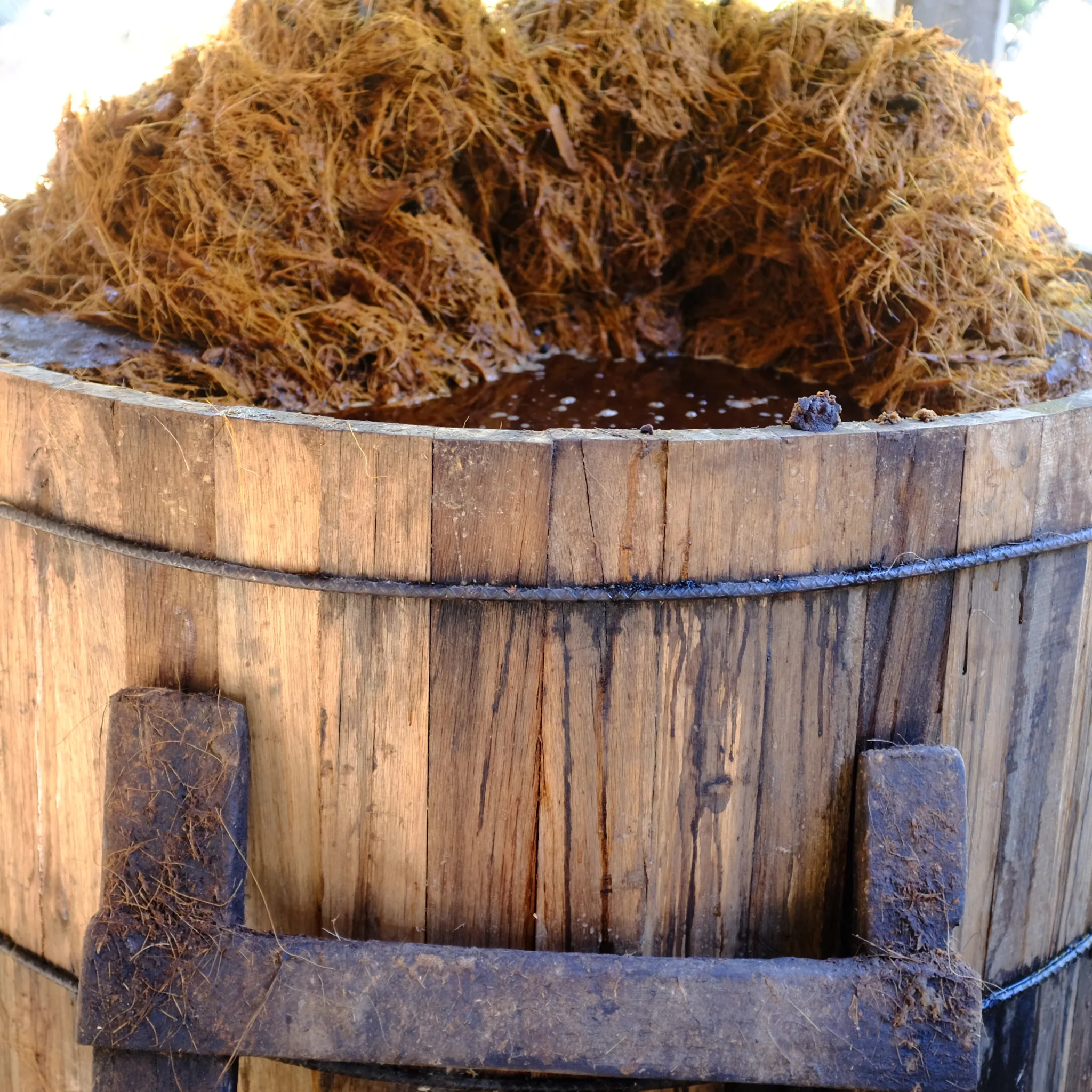
In Jalisco, depending on whether you are distilling in copper, clay or hollowed tree wood, using local agave varieties with local woods and local fire, you get radical flavor differences within one single state alone. We love raicilla for exactly this reason. The tobalá, cuishe and tepextate from Oaxaca are just pieces of a much larger board of flavor and tradition.
These are not variations on a theme. They are different conversations — and different species entirely. Different plants, different soils, different altitudes, different water, different generational knowledge about when to harvest, how long to ferment, what fire does to what maguey in what climate. Each mezcalero carries knowledge that is not written down anywhere — it is embodied, oral, inherited across generations. You cannot audit it or fit it in a one-size-fits-all box. But you can drink it.
The plant alone — over 200 agave species, perhaps 50 used in production, growing across wildly different ecosystems — makes mezcal’s raw material the most biodiverse of any spirit on earth. The humans working with it have been accumulating knowledge about those plants for centuries. Certification was meant to protect that. In some ways it did, especially at the start back in 1994. But it has also, inadvertently, made most of what reaches export markets look like a narrow slice of something much larger.
What We Think This Means
At Agavera, we work with certified and non-certified producers. The hologram on the bottle tells you something about a producer’s relationship with a regulatory system. It does not tell you what is in the glass.
The consumers who will move this category forward — the ones already asking about coffee origin, reading fermentation notes on natural wine labels, wanting to know the farmer’s name — are already here. They just need someone to hand them the right glass and explain what they are tasting.
And that is exactly what we will be doing at the tastings coming up on Reuterstraße. Book your spot and enjoy the ride.

PASSENGER coffee subscription
Unlock a universe of coffee in your cup with passenger coffee's subscription!

Queer Aid Uganda x passenger coffee
We are happy to finally were able to conclude our donation into the emergency fund for the LGBTIQ+ community in Uganda. Thank you for drinking our Uganda Filter coffee and help to collect 742€.
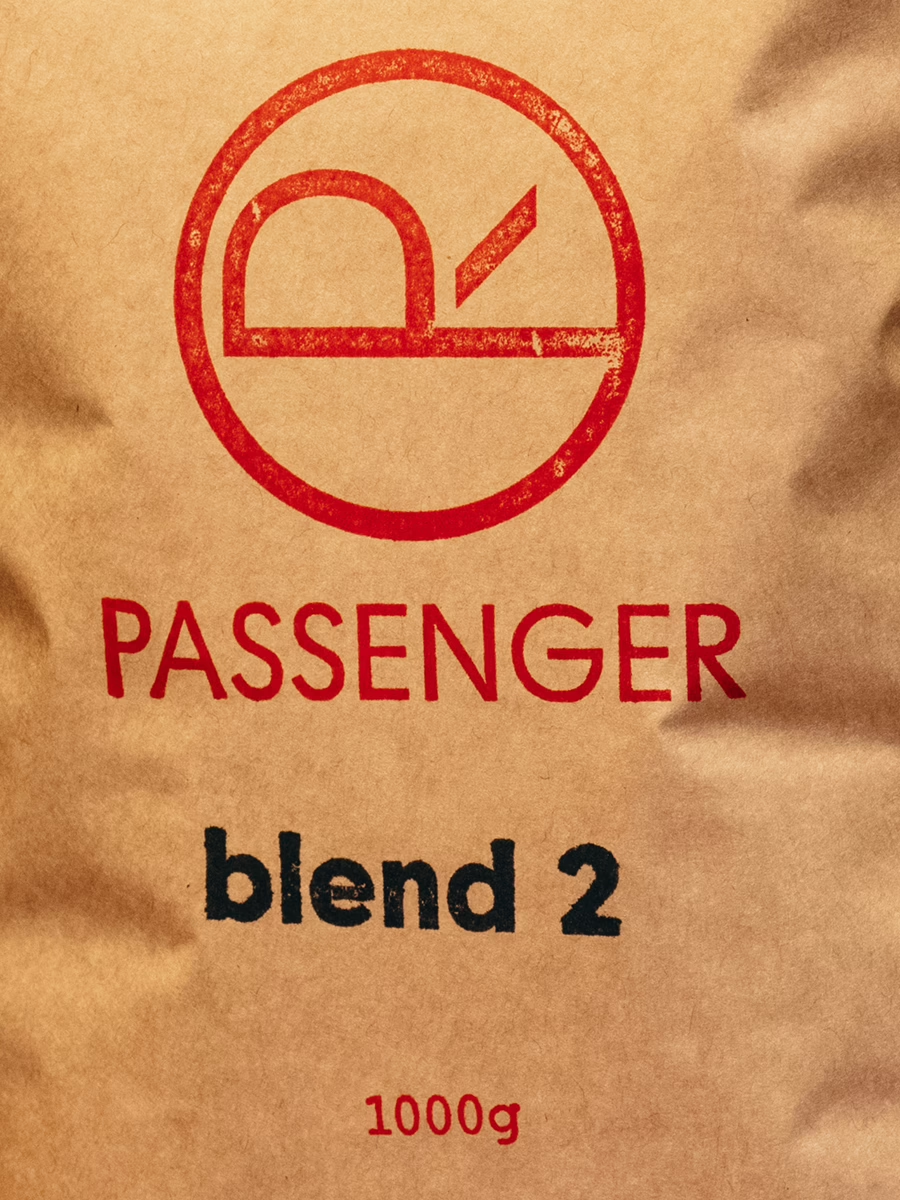
What is PASSENGER blend2?
blend2 is by no means a second choice, in fact for many passengers it is the ultimate. Blend2 is simply the 2nd espresso blend we have created. A tribute to our roots...