

Excelsa from Uganda: Can a forgotten coffee species help shape the future of coffee?
While Arabica and Robusta dominate the global coffee market, interest is growing in a coffee species that long stood in the shadows: Excelsa. It has been grown for generations in parts of Uganda and in other countries such as South Sudan. But only now is it coming more into focus for researchers, producers and roasters.
Together with our partner HyCoffee, we are taking a close look at the potential of Excelsa and want to bring this exceptional coffee species more attention in the coffee world.
A coffee species with a history
In the Luweero region of central Uganda, Excelsa has been part of everyday farming for many years. The trees grow there in conditions that are becoming increasingly challenging for many of the Robusta plants also grown in the area: high temperatures, longer dry spells and a changing climate.
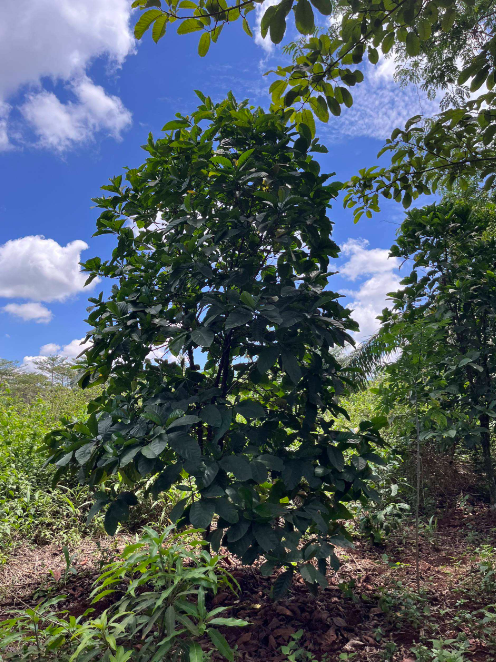
A tall Excelsa tree in the Luweero region
While most coffee lovers only know Arabica and Robusta, Excelsa is in fact a species in its own right, and one of more than 130 known coffee species worldwide.
What makes it special: under natural conditions, Excelsa can reach a height of up to 15 metres, growing considerably taller than most Arabica or Robusta plants. Excelsa shows remarkable resilience to drought and certain diseases.
As a result, it is becoming increasingly important in regions that are already heavily affected by the consequences of climate change.
On the ground with HyCoffee
Founded by Sophie and Charlotte, the green coffee company HyCoffee works directly with producers in Uganda. With locations in Kampala and Berlin, the team combines scientific research with hands-on coffee development.
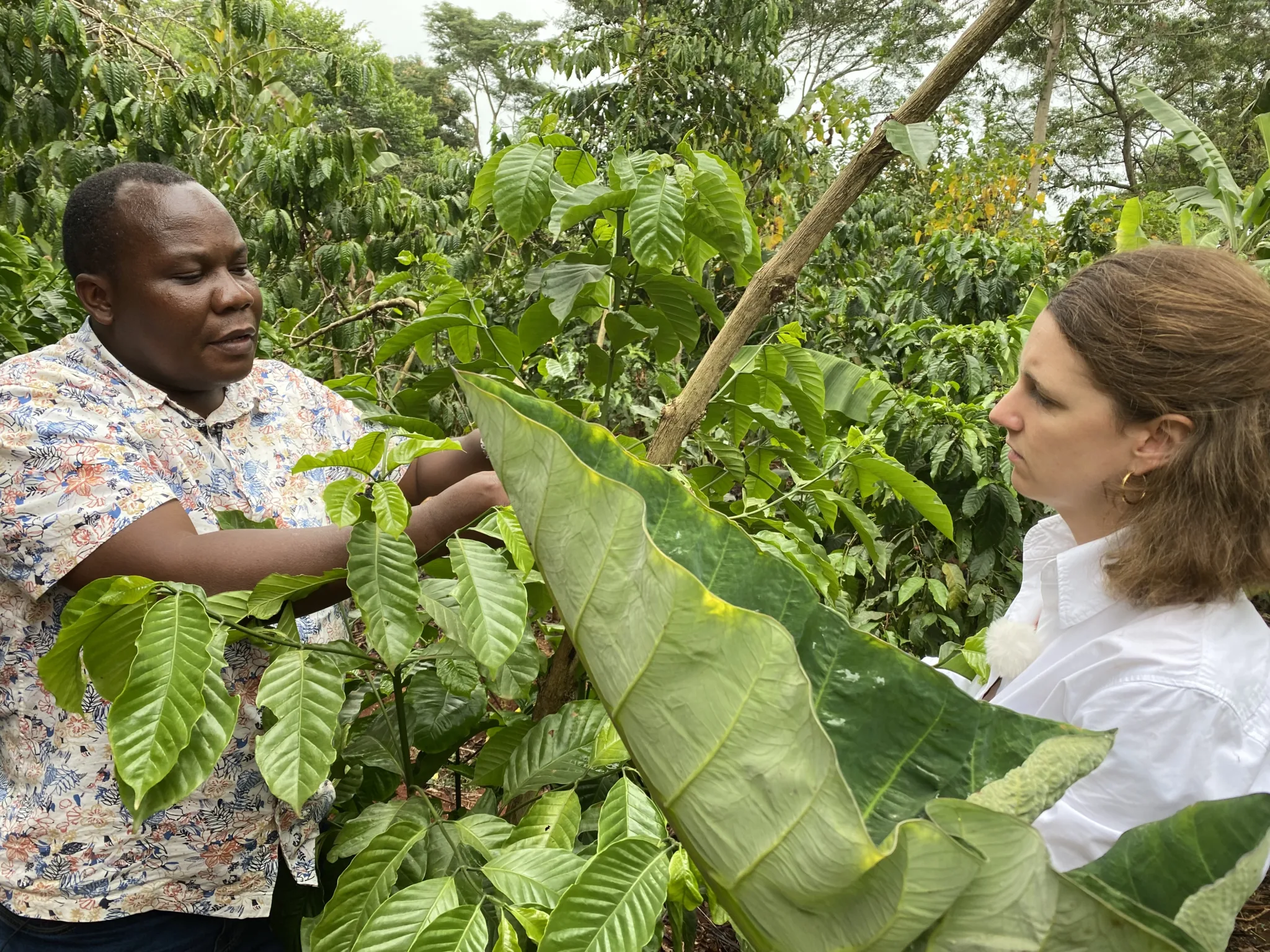
Sophie von Loeben, founder of HyCoffee, in the Luweero region
Together, they are building sustainable supply chains and promoting farming systems that make yields more stable in the long term. These include agroforestry and regenerative agriculture, which support biodiversity and make soils more resilient. In Luweero, HyCoffee is currently investing in a processing station to specifically raise the quality of Excelsa.
For many producers in Uganda, Excelsa offers more than just an additional coffee species. Combined with Robusta, the different flowering and harvest cycles can help spread income more evenly across the year. This creates financial flexibility at important times, for example when school fees are due. At the same time, diversification reduces risk: if extreme weather or disease hits one crop harder, another can still secure a harvest.
What does Excelsa taste like?
Its cup profile is at least as exciting as its agronomic qualities.
Excelsa has a pronounced sweetness that often recalls maple syrup. Depending on processing and origin, fruity notes of blood orange and chocolatey notes also come through.
The result is a profile that feels familiar while opening up new flavour perspectives.
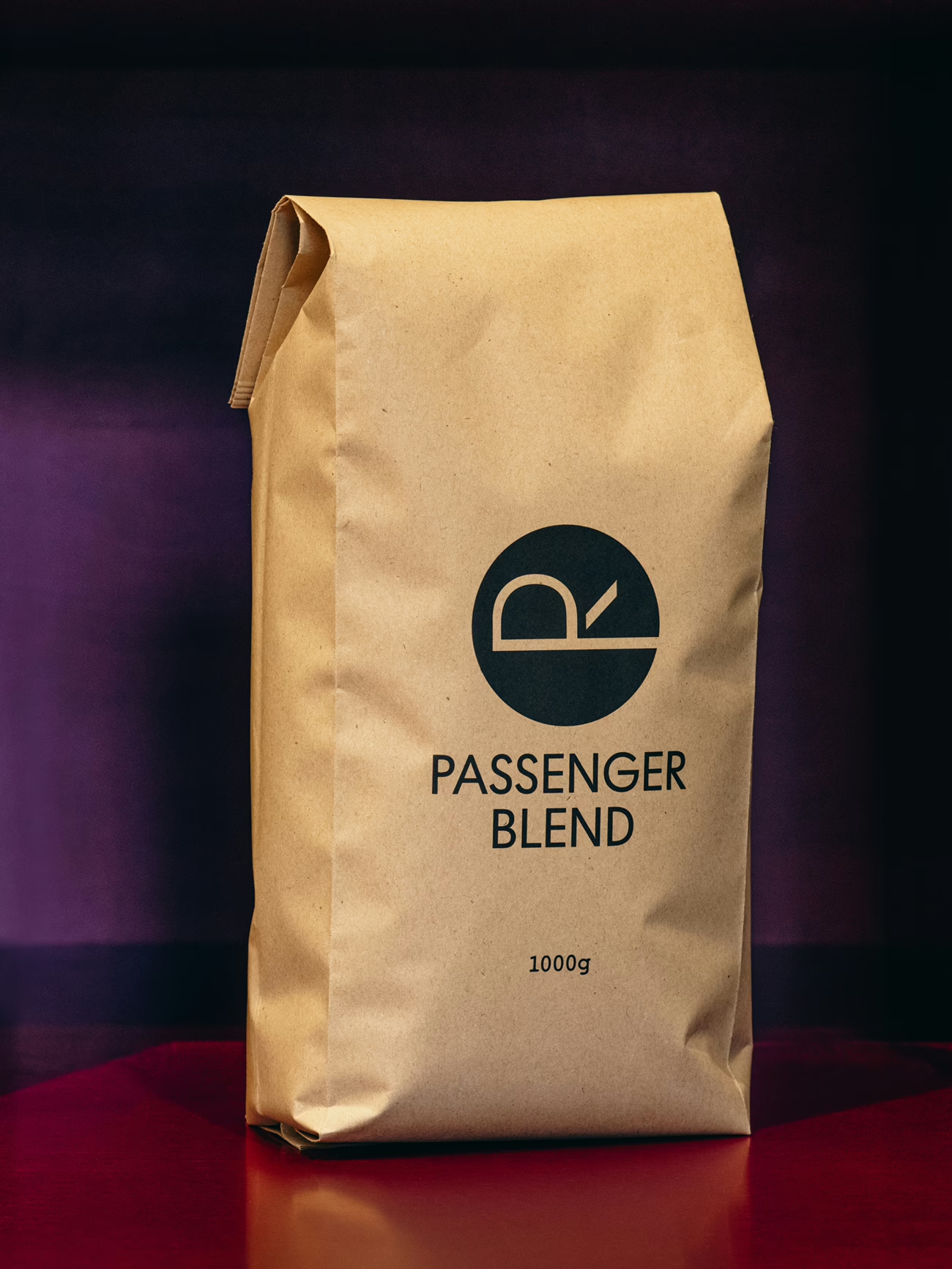
After cupping together, it was clear to us: Excelsa deserves a place in the cup. That's why we at PASSENGER developed our first espresso blend, made up of 33% Excelsa coffee from HyCoffee. We took the opportunity to test it at a number of festivals and events. But this is only the beginning. We want to keep experimenting with Excelsa and discover its full potential.
Why do researchers see great potential?
The coffee industry faces major challenges worldwide. Rising temperatures, extreme weather and new pathogens are putting pressure on many growing regions.
That is why researchers are increasingly turning to alternative coffee species and more resilient varieties. Excelsa is seen as one of several promising building blocks for the future.
Even so, the species is still at the start of its development in the specialty market. Quality standards need to be developed, knowledge expanded and new markets created.
No miracle cure, but an important building block
Excelsa alone will not solve the challenges facing the coffee sector.
But this coffee species shows how diverse the future of coffee could look. Together with climate-resilient varieties, sustainable farming systems and close collaboration along the entire value chain, it can help make coffee farming more resilient in the long term.
For us at PASSENGER, projects like this are especially exciting: they combine exceptional cup profiles with innovative approaches to the future of coffee.
Original text by HyCoffee.

Subscriptions are free of shipping costs from the second delivery onwards
News from the delivery front: The journey of coffee - from the bean to your cup - is a real adventure of love.
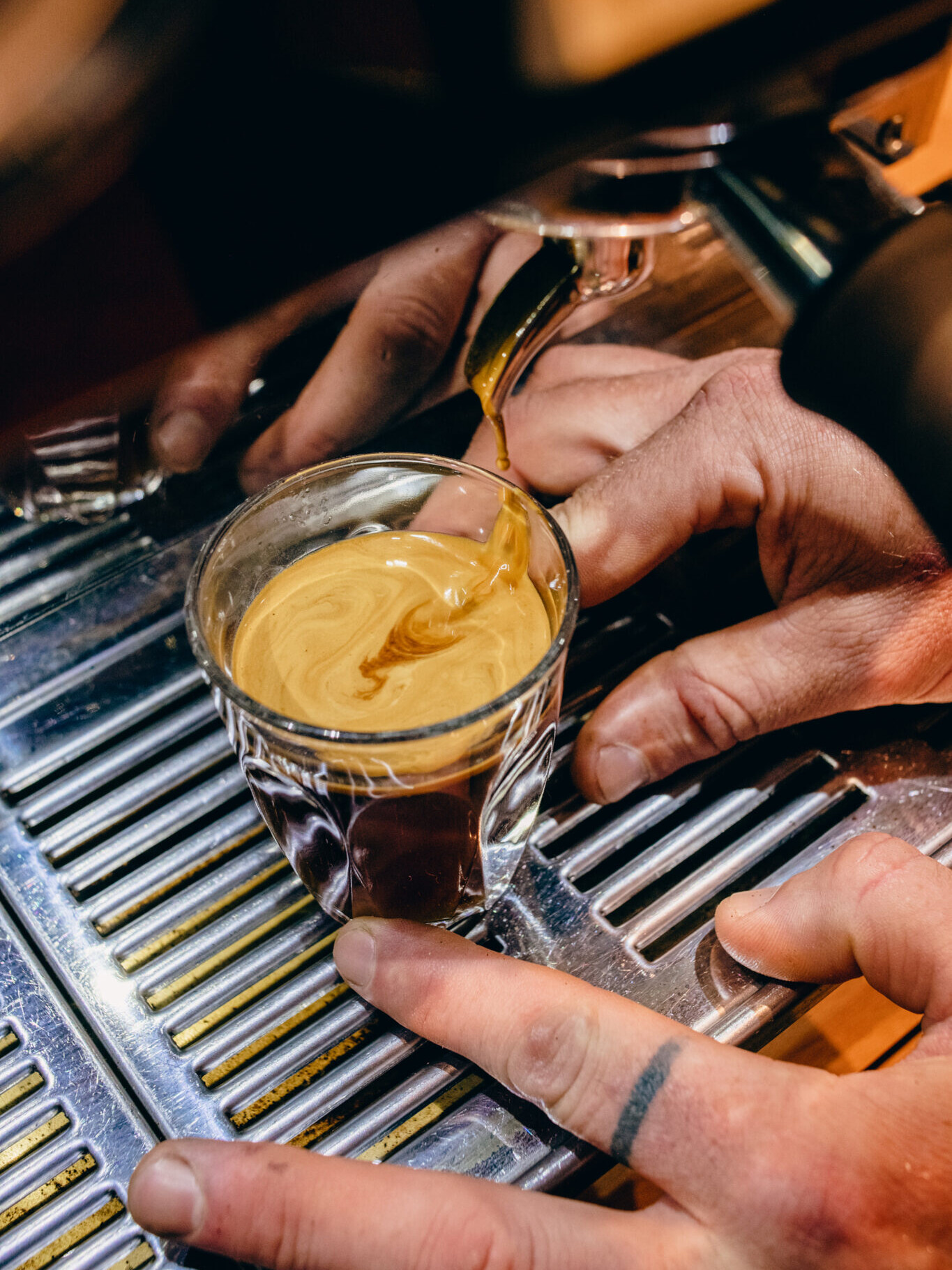
Concentrated sunshine
Caffeine is a psychoactive substance which, in the right dosage, can have a stimulating effect on the consumer's perceptual apparatus.

PASSENGER coffee subscription
Unlock a universe of coffee in your cup with passenger coffee's subscription!

Queer Aid Uganda x passenger coffee
We are happy to finally were able to conclude our donation into the emergency fund for the LGBTIQ+ community in Uganda. Thank you for drinking our Uganda Filter coffee and help to collect 742€.
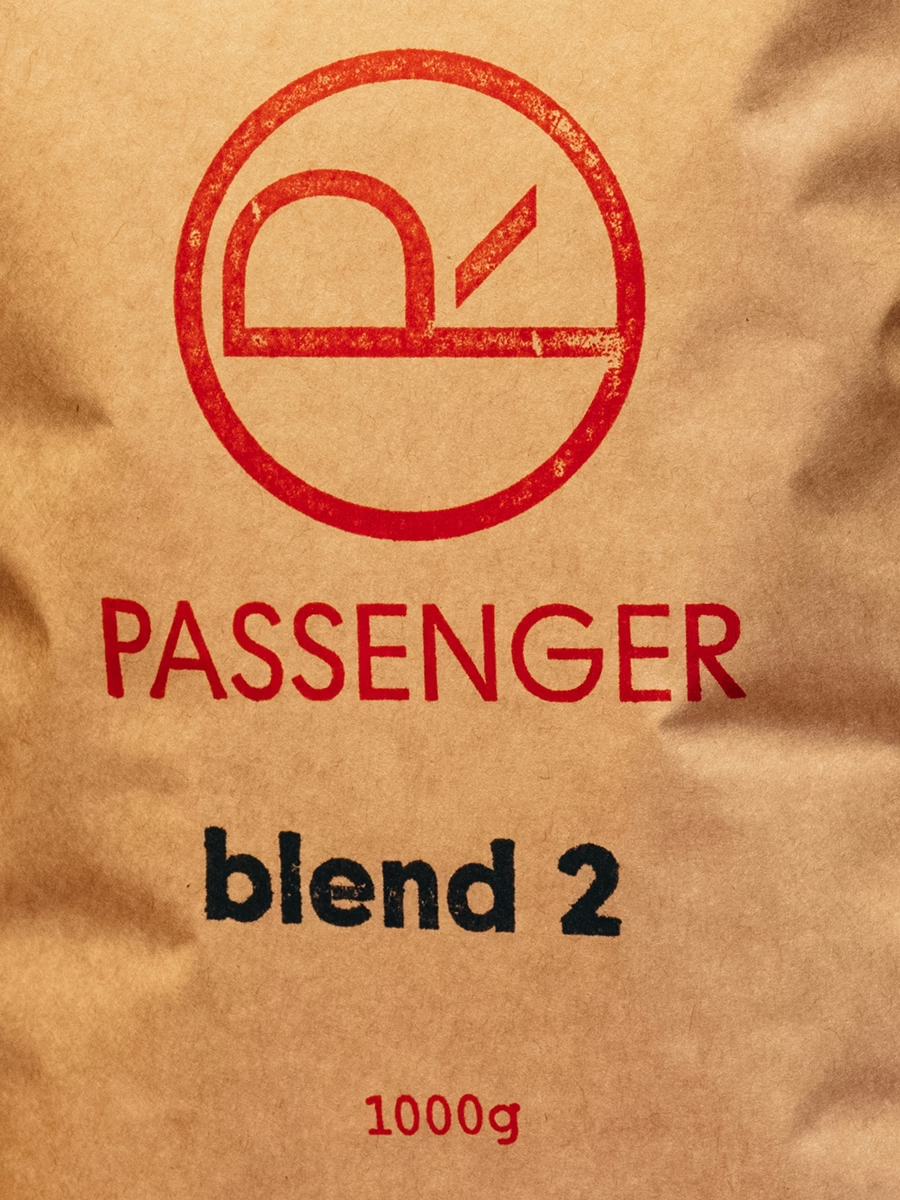
What is PASSENGER blend2?
blend2 is by no means a second choice, in fact for many passengers it is the ultimate. Blend2 is simply the 2nd espresso blend we have created. A tribute to our roots...